
Koh Samui is synonymous with postcard-perfect beaches, swaying palm trees, and breathtaking sunsets. Millions flock to its shores each year, drawn by the allure of turquoise waters and vibrant nightlife. Yet, tucked away from the bustling tourist hubs, a lesser-known gem offers a profound and enriching counterpoint to the island’s natural beauty: the Dusit Dheva Cultural Center.
Also known as the Samui Cultural Center & Fine Art of South East Asia, this remarkable destination is far more than just a museum. It stands as an immersive cultural experience—a harmonious blend of stunning architecture, captivating art, ancient traditions, and engaging interactive workshops—that promises to elevate a Koh Samui trip beyond the usual sun-soaked beach stays, offering a unique dimension, particularly for those enjoying the privacy of holiday villas in Koh Samui.
Location & Practical Info Finding Your Cultural Oasis
Nestled in the tranquil area of Lipa Noi, on the western side of Ko Samui District, Surat Thani, the Dusit Dheva Cultural Center offers a peaceful escape. Its location makes it easily accessible from many of the island’s major beaches and resorts, typically a scenic drive away. While a rental car or scooter provides the most flexibility, local taxis and ride-sharing services are readily available to transport visitors to this cultural haven.
The center welcomes visitors from 10:00 AM to 5:00 PM, providing ample time to explore its extensive grounds and collections. A delightful surprise for many is that, according to sources like Forever Vacation, entrance to the Dusit Dheva Cultural Center is free, making it an incredibly accessible cultural experience for all. To make the most of your visit, consider arriving in the late afternoon.
The “golden hour” light beautifully illuminates the traditional Thai architecture and lush gardens, creating stunning photographic opportunities. Visiting during these quieter times also allows for a more contemplative and intimate exploration, though it’s always wise to check their schedule for any specific performances or workshops you might wish to catch.
History and Concept Preserving a Rich Heritage
The origins of the Dusit Dheva Cultural Center are rooted in a profound desire to preserve and showcase the rich heritage of Thailand and broader Southeast Asia. Established with a clear vision, the center acts as a custodian of ancient traditions, a vibrant exhibition space for contemporary art, and an educational hub for both locals and international visitors.
The very name, “Dusit Dheva,” carries significant meaning, referencing a celestial abode—a heavenly realm often associated with cultural and mythological richness. This naming aptly reflects the center’s ambition: to create an elevated space where the divine beauty of art and culture can be celebrated and experienced. Its mission is clear: to preserve authentic art and cultural forms, educate and inspire a new generation, and foster the continuity of traditional arts and crafts.
Architecture and Grounds A Symphony of Tradition and Nature
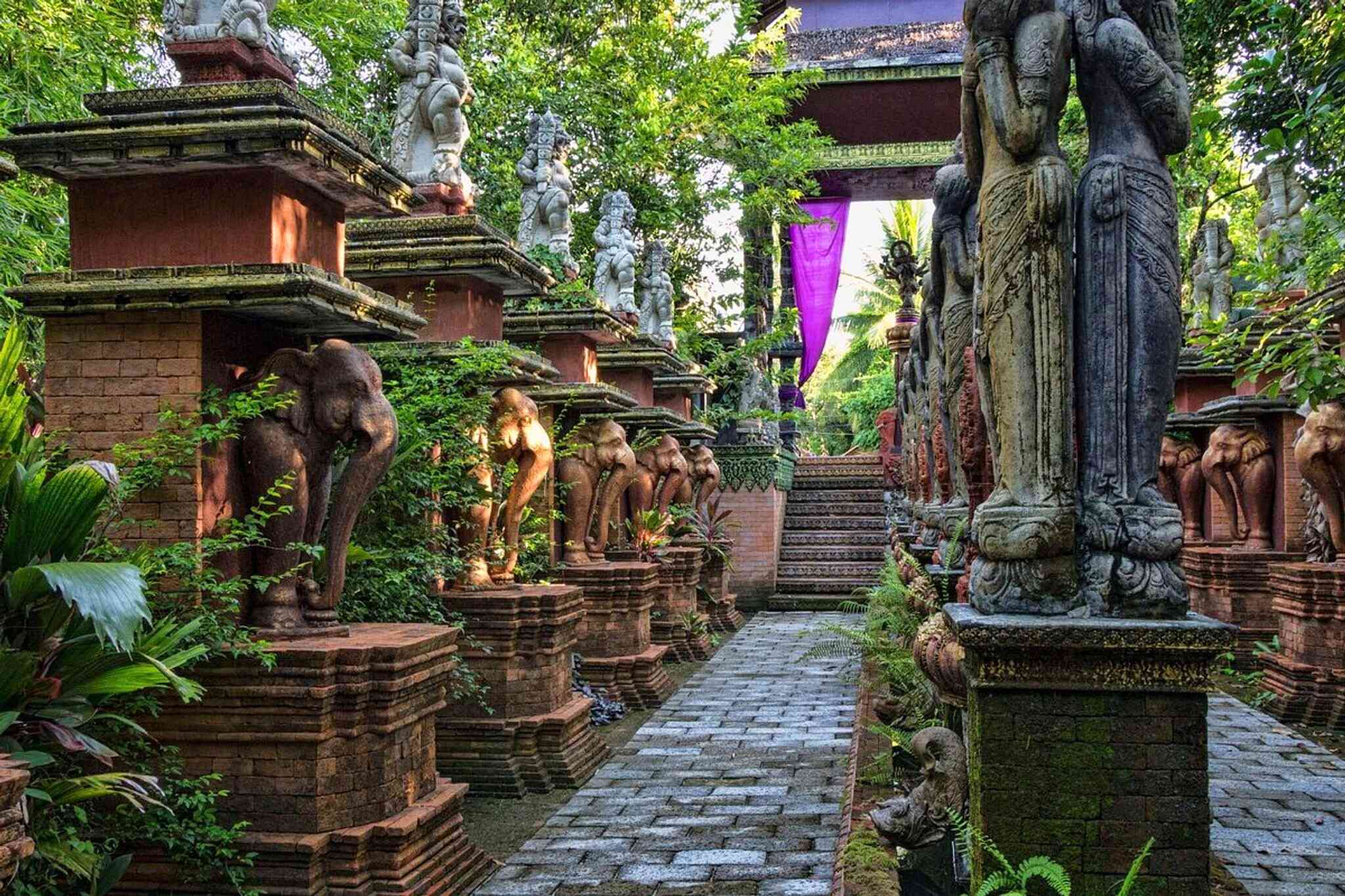
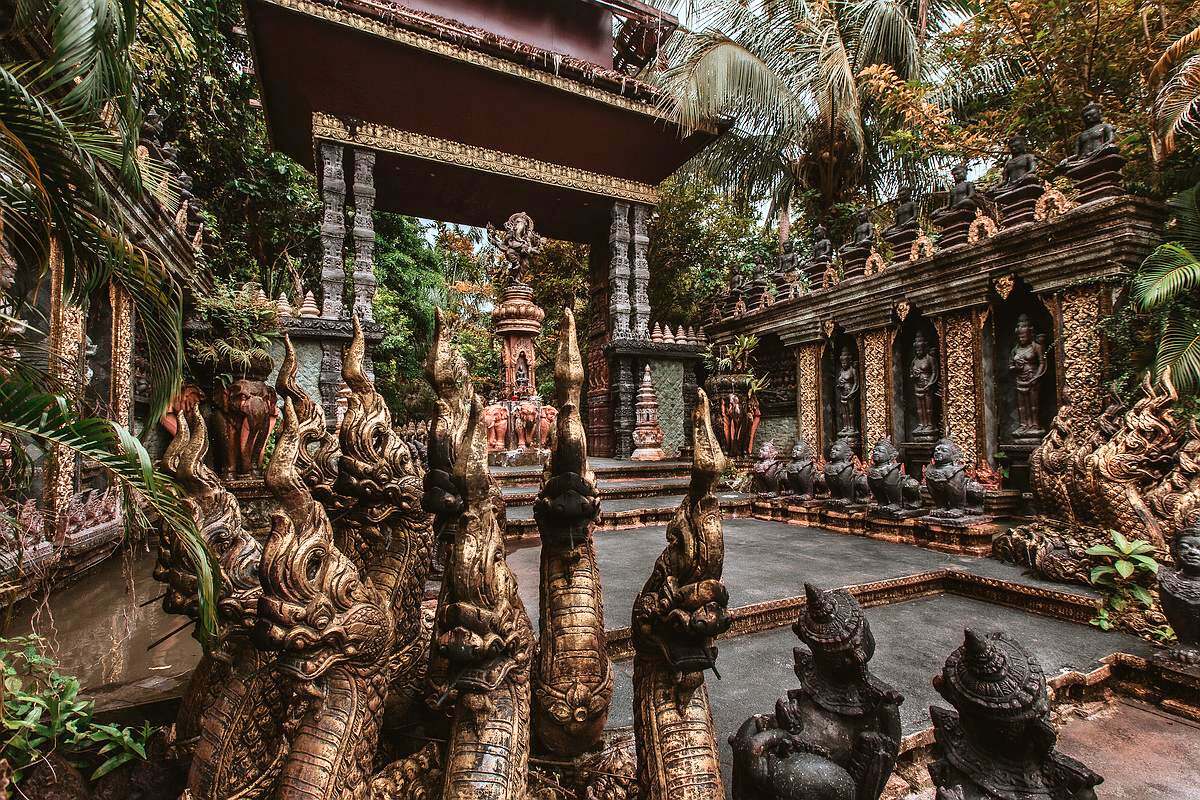
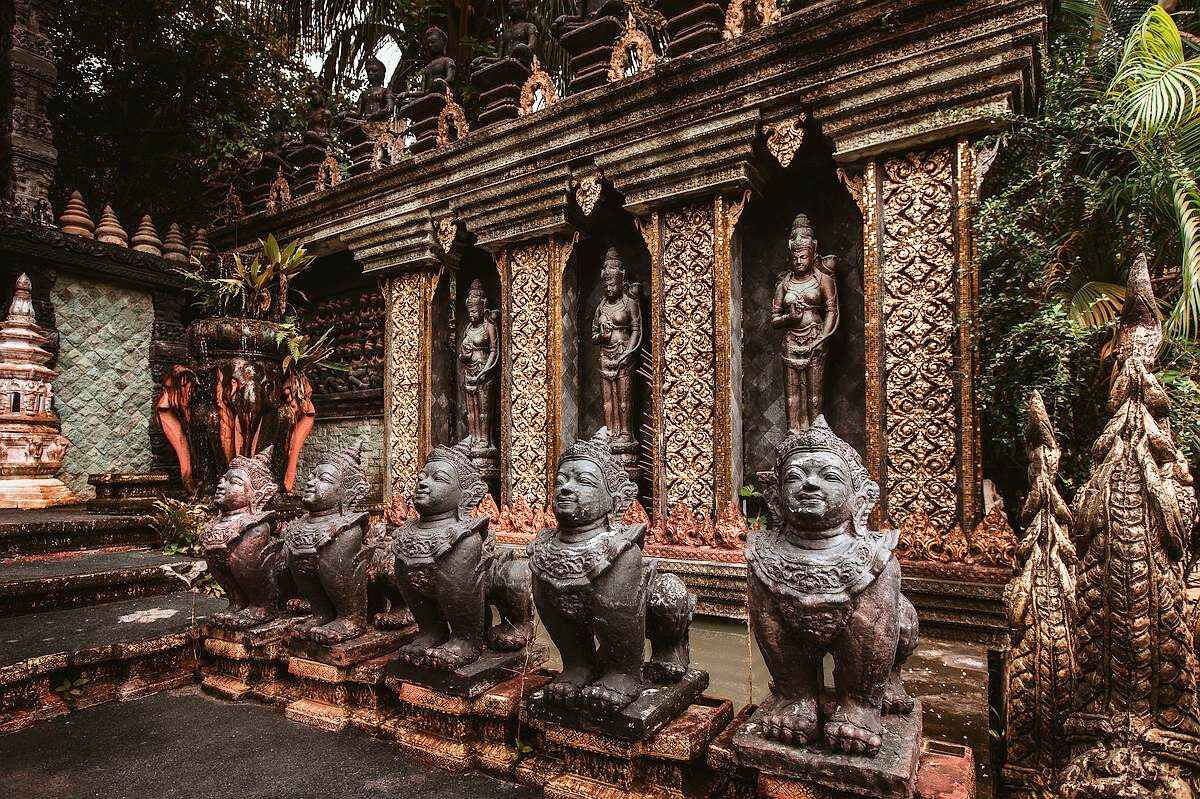
Upon arrival, visitors are immediately struck by the breathtaking architecture, which embodies traditional Thai elements with grace and grandeur. Intricately designed roofs, robust wooden pillars, and elegant balconies demonstrate a seamless blend of ancient craftsmanship and refined aesthetics. The entire complex feels historically authentic and beautifully maintained.
This architectural splendor is enhanced by stunning landscaping. Lush tropical gardens envelop the buildings, creating a serene environment for leisurely strolls. Sculptures are thoughtfully scattered throughout the verdant spaces, transforming the grounds into an open-air gallery.
Many pieces, such as the evocative “Churning of the Ocean of Milk” sculpture, hold deep symbolic meanings drawn from Buddhist and Hindu mythology. The gardens are integral to the visitor experience, fostering a harmony between art, nature, and tranquility.
Exhibits and Collections Immersive Cultural Engagement
Beyond its architectural splendor, the Dusit Dheva Cultural Center excels through its diverse exhibits and engaging activities. It boasts a remarkable collection of fine art from Thailand and Southeast Asia, featuring intricate carvings, vibrant paintings, delicate pottery, and ancient artifacts, all showcasing the region’s rich artistic lineage.
The experience is far from passive, thanks to the renowned interactive workshops. Visitors can delve into traditional Thai crafts like fruit carving, painting, and pottery, or take cooking classes to master Thai cuisine. Adding further immersion, the center frequently hosts live performances, including graceful traditional Thai dance and enchanting puppet shows, which bring ancient narratives to life.
Practical amenities complete the visit, including a charming café/restaurant for relaxation and a gift shop offering local artisan crafts, allowing guests to take a piece of this unique cultural experience home.
Why It’s Worth Visiting A Deeper Dive into Thai Culture

What truly sets the Dusit Dheva Cultural Center apart from other attractions in Koh Samui is its profound depth of art collection, its immersive nature, and its palpable tranquility. Unlike more commercialized cultural sites, Dusit Dheva offers a serene environment where the fusion of nature and culture creates a truly unique atmosphere. It’s a place for contemplation, learning, and genuine connection with Thai heritage.
This center is most suitable for a wide array of visitors: art lovers will appreciate the extensive collections, families will find the interactive workshops and performances engaging for children and adults alike, and culture seekers will revel in the authentic portrayal of traditions.
For tourists looking for something genuinely off the beaten path, or for those staying in private villas desiring non-beach-centric activities, Dusit Dheva provides an enriching alternative. Furthermore, its stunning architecture, lush gardens, and intricate sculptures offer incredible photography potential. Early mornings or late afternoons provide the best lighting for capturing the beauty of the grounds and exhibits.
Visitor Tips and Insights A Cherished Gem
To ensure a comfortable and rewarding visit, a few practical steps are advised. First, observe a modest dress code—respectful clothing that covers shoulders and knees is appropriate, reflecting the center’s cultural significance. Since you’ll be exploring expansive grounds and tropical gardens, remember to bring comfortable shoes, water, and mosquito repellent. And, of course, don’t forget your camera to capture the memories!
To make the most of your time, it’s best to check the center’s schedule ahead if you plan to attend a specific performance or workshop. Arriving earlier or later in the afternoon can help avoid crowds, allowing for a more personal experience.
Though detailed recent statistics are scarce, the center’s value is evident in its consistent operation and welcoming free entrance. Visitor feedback consistently praises the center’s peaceful ambiance, beautiful architecture, and rich cultural offerings. Often described as a “hidden gem” and a “must-visit for culture enthusiasts,” the Dusit Dheva Cultural Center continues to earn a strong reputation through positive word-of-mouth, successfully preserving and sharing Thai culture with genuine warmth.
A Cultural Jewel in Samui’s Crown
Overall, The Dusit Dheva Cultural Center stands as one of the most meaningful destinations in Koh Samui, seamlessly blending the roles of cultural conservator, fine art gallery, interactive workshop space, and serene botanical retreat. It reminds travelers that a journey can be more than just leisure—it can be a gateway to deeper cultural understanding and personal enrichment.
Including Dusit Dheva in your itinerary is highly recommended, especially for those staying in any of the stylish Koh Samui holiday homes, where comfort and privacy pair beautifully with a day of artistic discovery. Beyond its breathtaking architecture and tranquil gardens, the center offers a rare glimpse into the soul of Thai and Southeast Asian culture. Visiting such a place not only enhances one’s travel experience but also supports the preservation of cherished traditions for generations to come.
–
Featured Image by KohPlanner