

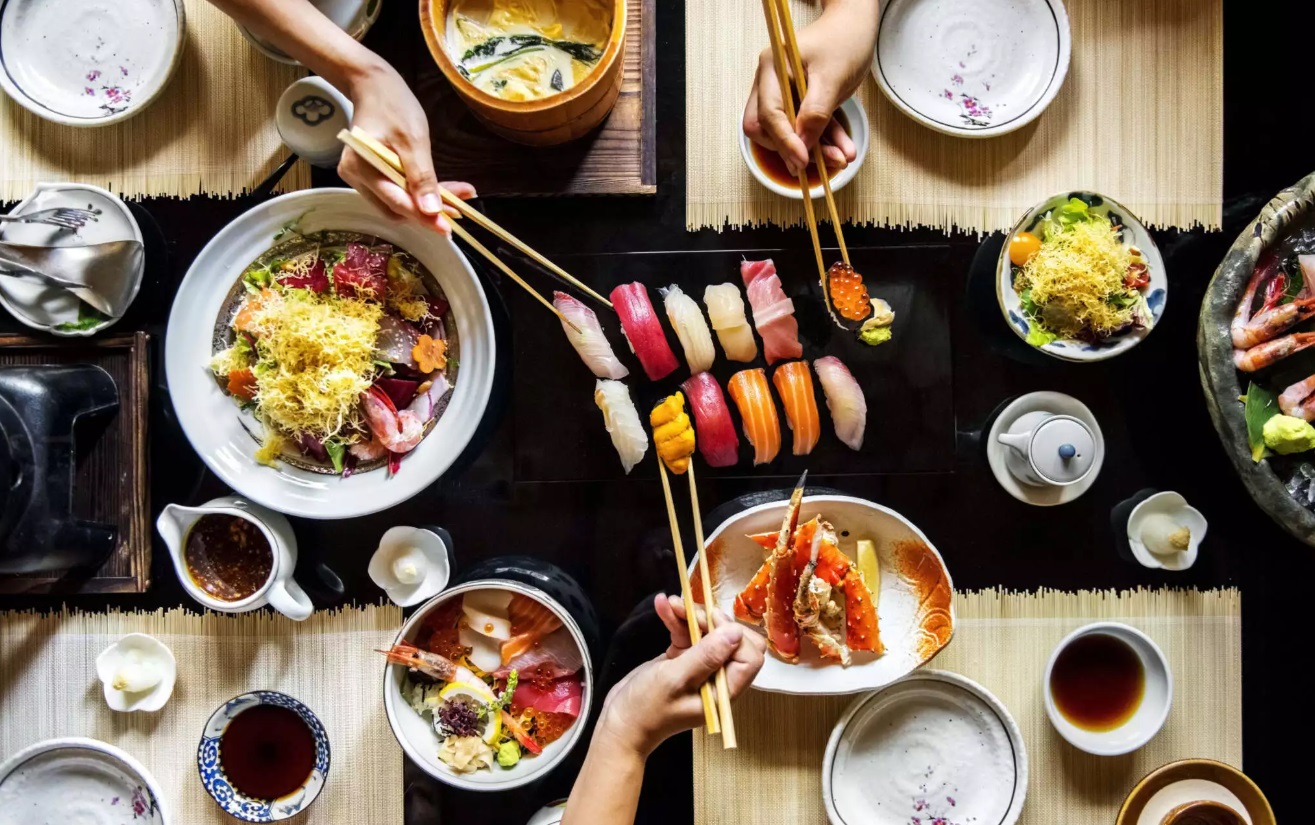
Winter in Niseko arrives with force. For example, during the 2024-25 season, Niseko United recorded 1,283 cm of cumulative snowfall, more than 12 meters of powder blanketing the region throughout the winter. Temperatures in the village often settle between 0°C and -7°C, while mountaintops drop to -20°C on harsher days.
In a climate this cold, food becomes both warmth and experience, a way to settle into Hokkaido’s winter rhythm and recover after hours on the slopes. Yet Niseko’s cuisine goes beyond steaming bowls and cozy dishes meant solely to fight the chill.
The town supports a surprisingly dynamic dining scene, shaped by local produce, coastal seafood, and the needs of winter visitors. A JETRO regional development study notes that around 170 restaurants operate in the Niseko-Kutchan area during the peak winter season, offering travelers a broad spectrum of culinary choices.
From casual ski-lodge fare to refined tasting menus, the result is a place where food reflects both the season and the region, turning each meal into a continuation of the winter adventure. For travelers staying in villas or boutique hotels, these culinary options allow guests to explore Niseko in a more leisurely, immersive way, linking each snow-covered morning with thoughtful, satisfying meals.
Seafood: Fresh Winter Catch from Hokkaido
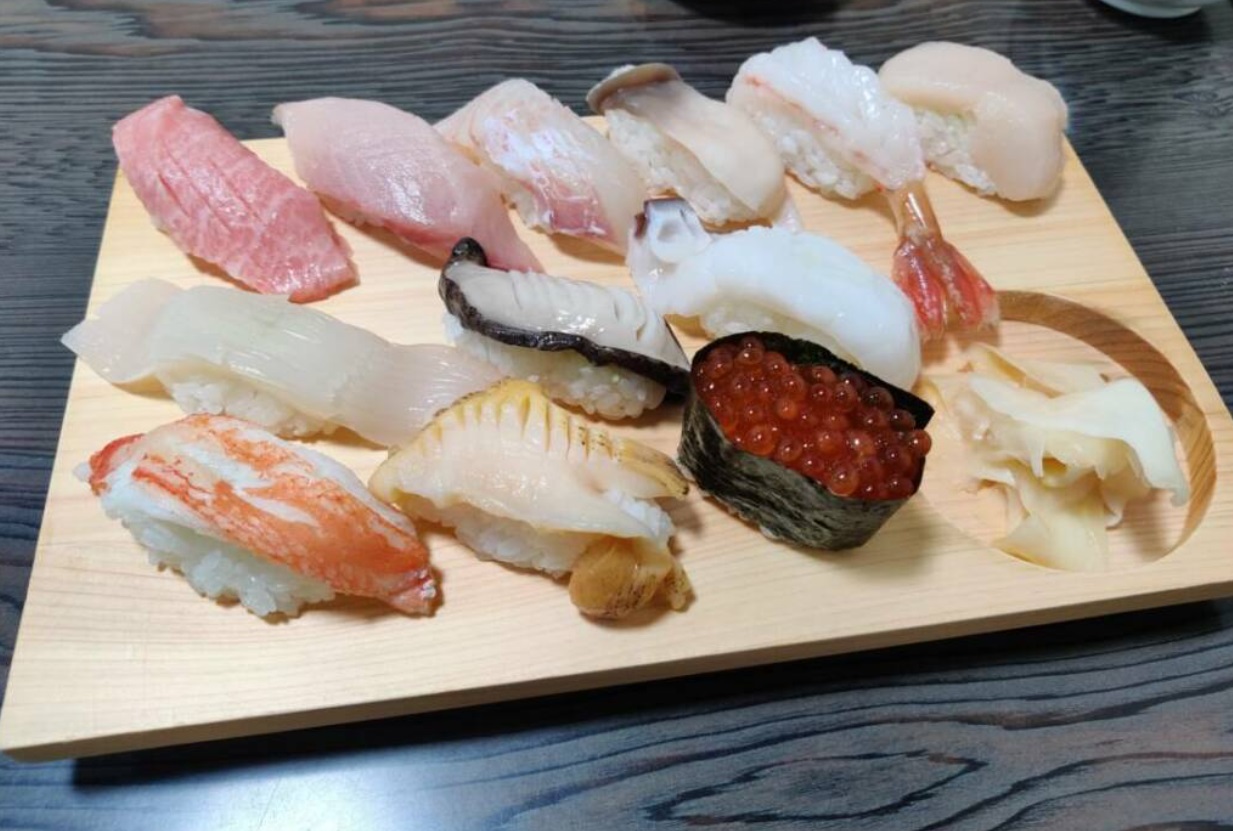
Winter brings out the best in Hokkaido’s seafood, and Niseko benefits from its proximity to coastal waters where cold currents nurture some of Japan’s most prized species. The icy waters contribute to the sweetness and texture of local crab, particularly hair crab, king crab, and snow crab, which appear abundantly on restaurant menus. Chefs often present crab in various ways, steamed, grilled, or in rich broths, so that diners can experience the full depth of the winter harvest.
Fresh oysters are another seasonal highlight. In higher-end resort restaurants and intimate sushi bars, they are served raw or lightly dressed with local citrus or ponzu, letting the briny, oceanic flavor shine. Salmon, the lifeblood of Hokkaido’s seafood culture, is showcased in numerous forms. It appears as delicate sashimi, seared fillets with light miso glaze, or folded into a warming nabe. Some mountain-side eateries even craft crab ramen, where fresh crab enriches the broth, creating a unique harmony between alpine comfort and coastal richness.
Seafood in Niseko is not just a seasonal luxury, but it’s a reflection of the region’s ecosystem. Dishes tell a story of Hokkaido’s icy seas, sustainable fishing practices, and the deep culinary knowledge that makes this winter destination appealing to serious food enthusiasts and casual travelers alike.
Nabe (Claypot Stews): Traditional Warmth in a Pot
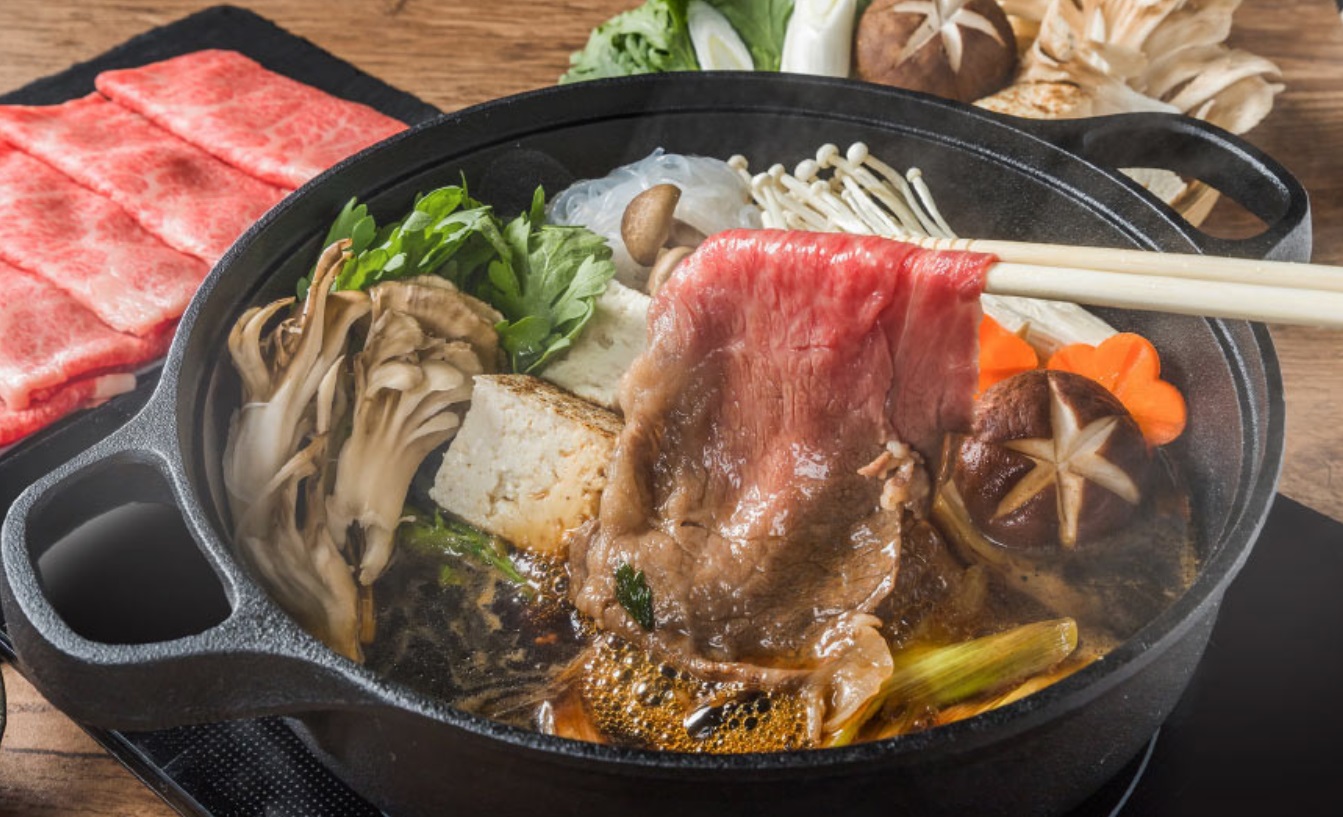
When night deepens and snow continues to fall, nabe provides a natural anchor for the evening. These claypot stews are communal, warming, and deeply satisfying, designed for slow enjoyment. Ishikari nabe, named after the Ishikari River region, is a miso-based stew of salmon with daikon, leeks, and tofu.
The flavors are layered and comforting, ideally suited for the long winter evenings when the warmth of the bowl mirrors the warmth shared around the table. Each bite evokes the traditional home cooking of Hokkaido, making nabe a dish that is both practical and culturally rich.
Crab nabe offers a more indulgent approach. Light broths are enhanced by the sweetness of freshly harvested crab, letting its natural flavors dominate without overpowering. Diners often gather around the pot, dipping ingredients into sauces or sharing bites directly from the communal bowl, creating a social and sensory experience.
These dishes go beyond nutrition; they are part of Niseko’s winter narrative, combining comfort, seasonality, and tradition in a single, elegant meal. For villa guests or visitors seeking immersive experiences, participating in a nabe dinner is a way to connect directly with local culinary heritage.
Soups: Culinary Comfort for Cold Days
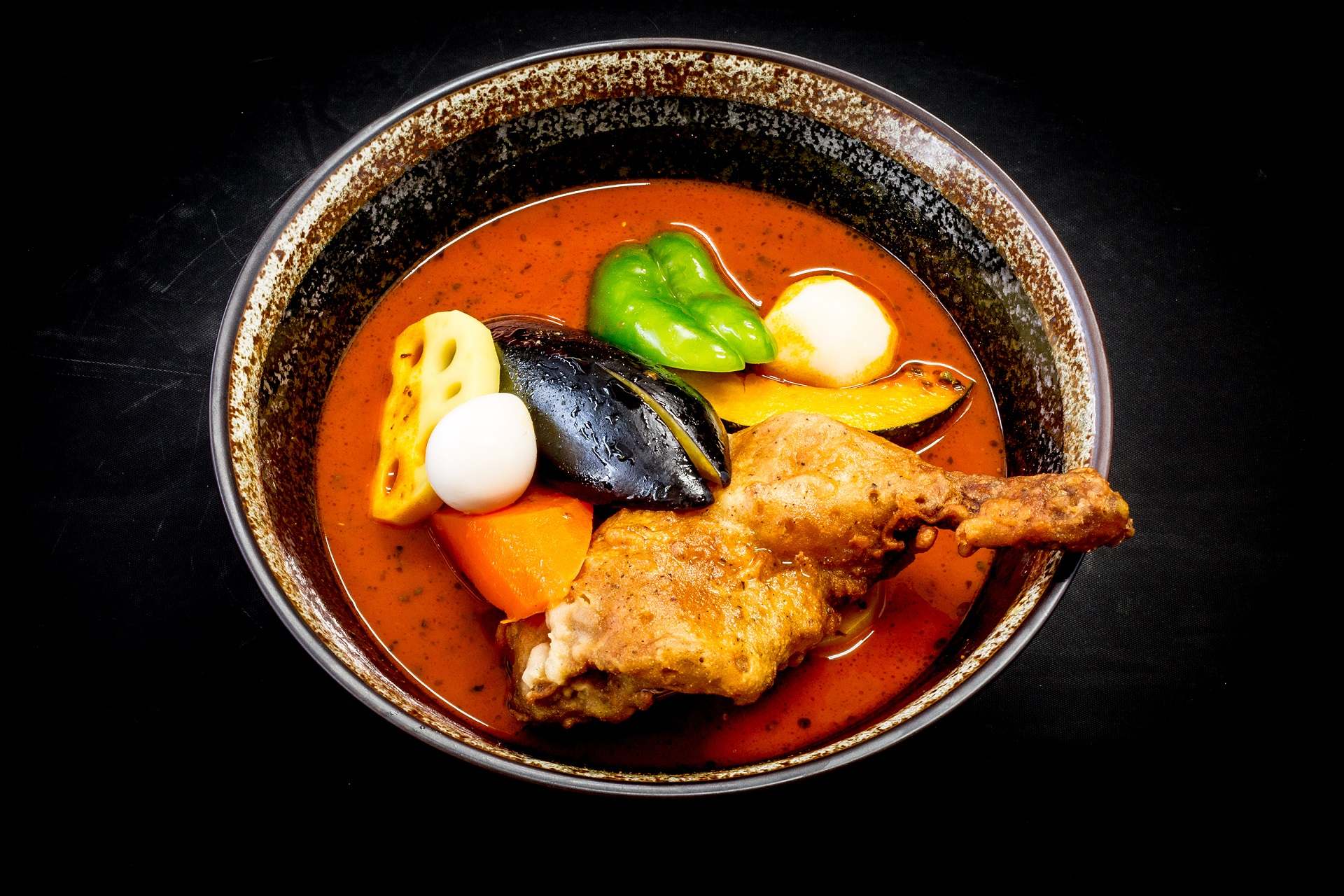
Soup in Niseko is not merely a starter; it is an essential component of winter survival and enjoyment. After a long morning on the slopes, a steaming bowl can revitalize both body and spirit. Curry soup is particularly popular. Unlike heavier European-style curries, this Japanese adaptation is broth-forward, lightly spiced, and often features local vegetables and tender proteins. Its warming properties are complemented by layers of umami, making it a favored choice for skiers who need something nourishing but not overwhelming.
Other soup varieties, from miso-based broths to creamy potato or corn chowders, showcase Hokkaido’s seasonal produce. Restaurants may add local mushrooms, root vegetables, or seafood to further elevate the flavors. The act of consuming a warm soup while watching snow fall outside a window adds a contemplative, almost meditative quality to the meal. In a way, the soups serve as both fuel and ritual, linking the culinary scene with the rhythm of winter life in Niseko.
Ramen: Hokkaido’s Noodle Legacy
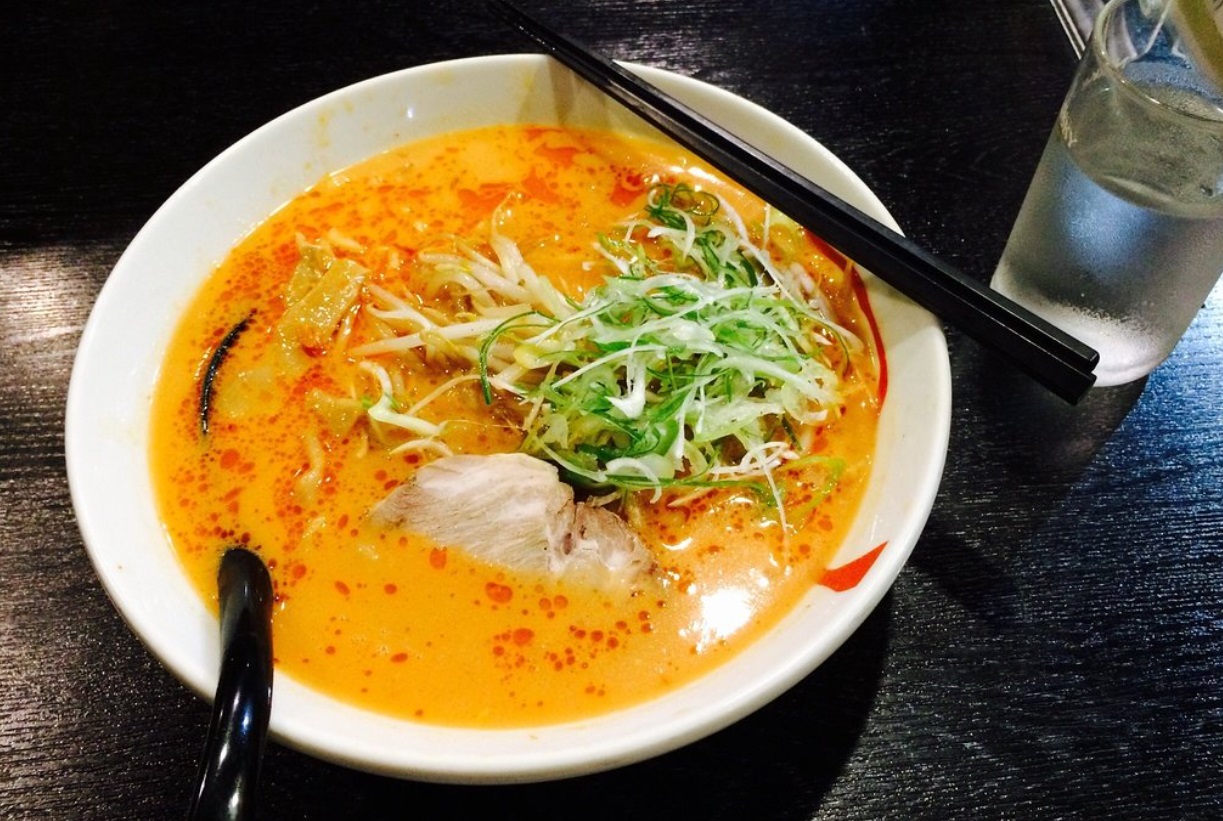
No discussion of winter dining in Niseko would be complete without ramen. Hokkaido is internationally renowned for its ramen culture, and Niseko embraces it with a range of carefully prepared bowls.
Miso ramen, Hokkaido’s signature dish, combines richness, subtle sweetness, and depth, making it ideally suited for warming up after hours in the cold. Shoyu ramen, with a clean, soy-based broth, offers a lighter option, while shio ramen uses a clear, saline base that emphasizes ingredient purity and delicate flavor.
Ramen in Niseko is diverse. Small ski-hut ramen shops deliver rustic, homey meals, while village restaurants present refined interpretations with local toppings and broths made from seafood or seasonal vegetables. Eating ramen here is not just about flavor; it is a moment of pause, a return to warmth and energy in the midst of a rigorous winter schedule.
For travelers, particularly those staying in villas or long-term lodges, discovering different ramen styles becomes a part of the local experience, almost like collecting stories with each bowl.
Grilled Meats and Vegetables: Smoke Over Winter Coals
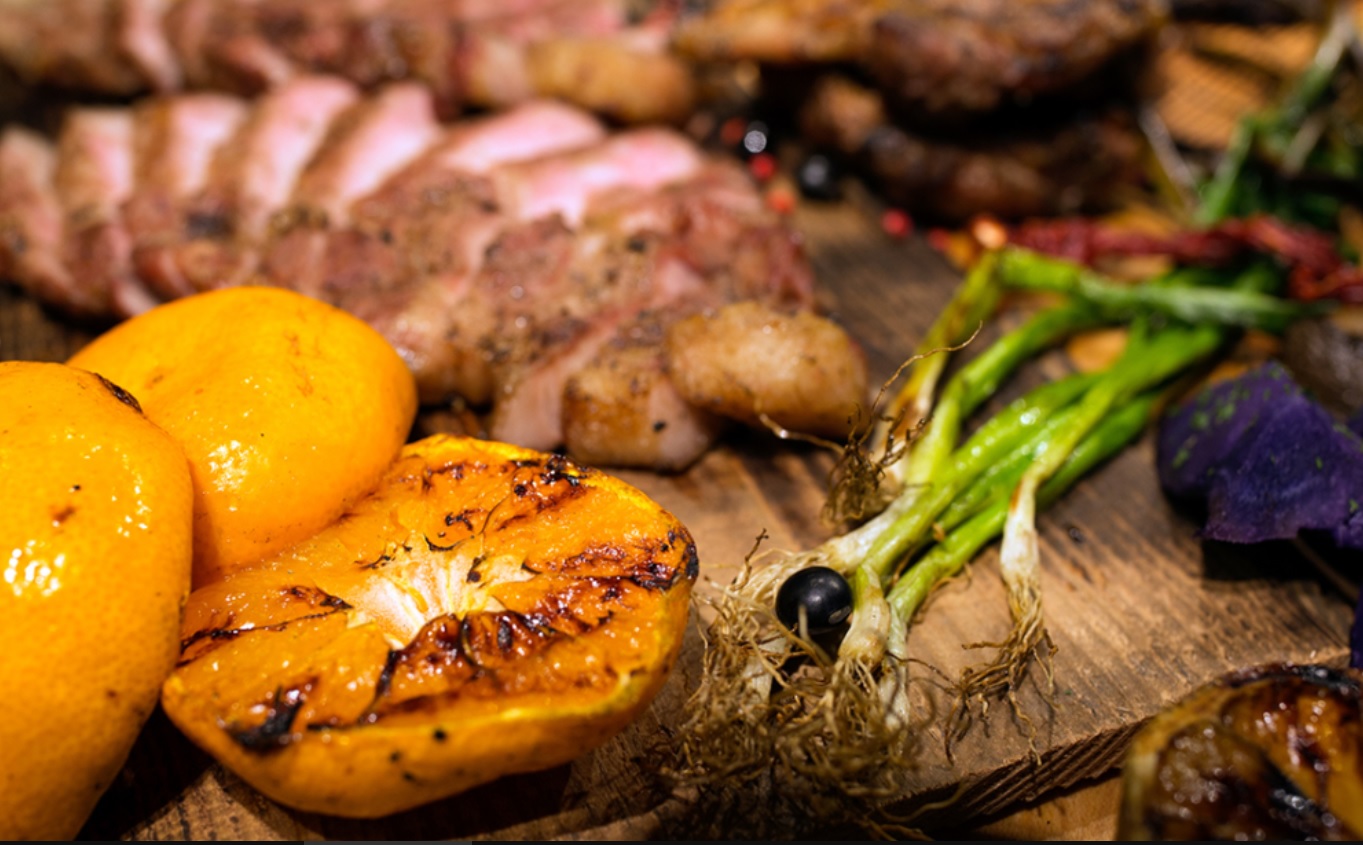
Even in snow-covered landscapes, charcoal grilling thrives. Robatayaki, which is a method of slow charcoal grilling, brings together vegetables, seafood, and tender cuts of meat, creating smoky flavors that contrast beautifully with the crisp mountain air. Local mushrooms, scallops, and winter squash absorb the charcoal aroma, offering textures and tastes that feel both simple and deeply satisfying.
Genghis Khan, or Jingisukan, is Hokkaido’s signature lamb dish. Thin slices of lamb or mutton are grilled at the table, dipped into a savory-sweet sauce, and eaten communally. It’s interactive, social, and comforting, making it especially suitable for groups or families staying in villas who want a hearty, memorable winter meal. Grilled dishes in Niseko balance the rustic charm of the mountains with the sophistication of Japanese culinary technique, offering guests a sense of place alongside flavor.
The appeal of wintertime cuisine in Niseko lies in its seamless connection to the environment. The deep snowfall, frigid temperatures, and access to fresh coastal ingredients all shape the menus. With over 170 restaurants operating across Niseko and Kutchan during winter, visitors enjoy an extraordinary range of flavors, from seafood and claypot stews to soups, ramen, and charcoal-grilled specialties. Each dish tells a story of the landscape, season, and local tradition.
A Winter Feast for the Senses
Overall, food in Niseko enhances daily life, offering warmth, recovery, and cultural immersion after time spent on the slopes. Whether savoring curry soup between ski runs, sharing nabe with friends, enjoying a smoky plate of robata, or indulging in crab ramen after dark, each meal connects visitors to the rhythm of the season. Close collaboration between restaurants and local farms, fishermen, and producers ensures that ingredients remain at their freshest while traditional cooking techniques continue to shine.
Here, skiing, snow, and cuisine converge seamlessly—especially for travelers staying in stylish private chalets in Niseko, where comfort and exclusivity elevate every experience. Booking a luxury chalet allows guests to enjoy personalized dining, from private chef-prepared meals to curated recommendations for the best winter flavors in town. Niseko is more than a ski destination; it is a sensory journey where every bite celebrates the landscape, the sea, and the mountains that define Hokkaido’s winter magic.
–
Featured Image by Japan National Tourism Organization


